Buy casino-vip.eu ?
We are moving the project
casino-vip.eu .
Are you interested in purchasing the domain
casino-vip.eu ?
domain@kv-gmbh.de · 0541-91531010
Buy casino-vip.eu ?
Why can the switch between haploid sex cells and diploid body cells represent a selective advantage in evolution?
The ability to switch between haploid sex cells and diploid body cells can represent a selective advantage in evolution because it allows for genetic diversity and adaptation. Haploid sex cells, such as sperm and eggs, undergo genetic recombination during meiosis, leading to the creation of new genetic combinations. This genetic diversity can increase the chances of survival and reproduction in changing environments. Additionally, the ability to switch between haploid and diploid states allows for the repair of damaged DNA and the elimination of harmful mutations, contributing to the overall fitness of the organism. **
Why are liver cells animal cells?
Liver cells are animal cells because they are part of the tissue and organ system of animals. They are eukaryotic cells, meaning they have a true nucleus and membrane-bound organelles, which are characteristic of animal cells. Additionally, liver cells perform specific functions related to the metabolism and detoxification of substances within the body, which are essential for the survival and functioning of animals. Therefore, liver cells are classified as animal cells due to their structure, function, and role within the animal body. **

Similar search terms for Cells
Top-Angebote
Products related to Cells:
-
Multicon Wholesale Hub Anti Aging Under Eye Cream Gel For Dark Circles & Wrinkles, With Hyaluronic Acid & Plant Stem Cells Anti Aging Under Eye Cream Gel For Dark Circles & Wrinkles, With Hyaluronic Acid & Plant Stem CellsTired eyes and wrinkles can make you feel older than you are. This undereye cream gel is designed to revitalize the delicate skin around your eyes. Packed with hyaluronic acid and nourishing plant stem cells, it combats dark circles, puffiness, and...69,97 $*Shipping: 0,00 $Secure redirect to the provider
-
Inspire Daily Merch Premium VIP Pillowcases For Customer Luxurious Pillow Covers 5Premium VIP Pillowcases for Unmatched Comfort Introducing our VIP For Customer Pillowcases , designed to elevate your bedding experience. Crafted with care, these pillow covers are made to provide the utmost comfort and luxury. Ideal for those who...99,97 $*Shipping: 0,00 $Secure redirect to the provider
-
Inspire Daily Merch Premium VIP Pillowcases For Customer Luxurious Pillow Covers 8Premium VIP Pillowcases for Unmatched Comfort Introducing our VIP For Customer Pillowcases , designed to elevate your bedding experience. Crafted with care, these pillow covers are made to provide the utmost comfort and luxury. Ideal for those who...99,97 $*Shipping: 0,00 $Secure redirect to the provider
-
Inspire Daily Merch Premium VIP Pillowcases For Customer Luxurious Pillow Covers 3Premium VIP Pillowcases for Unmatched Comfort Introducing our VIP For Customer Pillowcases , designed to elevate your bedding experience. Crafted with care, these pillow covers are made to provide the utmost comfort and luxury. Ideal for those who...99,97 $*Shipping: 0,00 $Secure redirect to the provider




-
What are the differences between embryonic stem cells, omnipotent stem cells, adult stem cells, totipotent stem cells, and multipotent stem cells?
Embryonic stem cells are derived from embryos and have the potential to develop into any type of cell in the body. Omnipotent stem cells, also known as pluripotent stem cells, are similar to embryonic stem cells in that they can differentiate into any type of cell, but they are derived from adult tissues. Adult stem cells are found in various tissues and have the ability to differentiate into a limited range of cell types. Totipotent stem cells have the highest potential for differentiation and can develop into any type of cell, as well as into extraembryonic tissues such as the placenta. Multipotent stem cells can differentiate into a limited number of cell types, typically within a specific tissue or organ. **
-
What are egg cells and sperm cells?
Egg cells, also known as ova, are the female reproductive cells produced by the ovaries. They are larger than sperm cells and contain genetic material from the mother. Sperm cells, on the other hand, are the male reproductive cells produced by the testes. They are smaller and more numerous than egg cells, and contain genetic material from the father. When an egg cell is fertilized by a sperm cell, it forms a zygote, which eventually develops into a new organism. **
-
Why are the structures in body cells double, but only single in germ cells?
The structures in body cells, such as chromosomes, are double because they contain two sets of genetic information, one from each parent. This allows for genetic diversity and the ability to adapt to changing environments. In contrast, germ cells, which are involved in reproduction, only contain a single set of genetic information. This is to ensure that when germ cells combine during fertilization, the resulting offspring will have the correct number of chromosomes and genetic information. **
-
Why do antibiotics only target bacterial cells?
Antibiotics only target bacterial cells because they are designed to interfere with specific processes that are unique to bacteria. For example, many antibiotics work by disrupting the bacterial cell wall or inhibiting protein synthesis, processes that are not present in human cells. This specificity allows antibiotics to kill or inhibit the growth of bacteria without harming human cells. Additionally, bacteria and human cells have different structures and biochemical pathways, so antibiotics can target these bacterial-specific features without affecting human cells. **


How do killer cells recognize infected body cells?
Killer cells, also known as cytotoxic T cells, recognize infected body cells through a process called antigen presentation. Infected cells display fragments of foreign proteins, known as antigens, on their surface using a protein called major histocompatibility complex (MHC) class I. Killer cells have receptors that can recognize these antigens when they are presented on the infected cell's surface. Once the killer cell identifies an infected cell, it releases toxic substances to destroy the infected cell and prevent the spread of the infection. **
How do you compare the components of plant cells, virus cells, and animal cells?
Plant cells, virus cells, and animal cells all have different components and structures. Plant cells have a cell wall, chloroplasts, and a large central vacuole, which are not present in animal cells. Virus cells are not considered living cells and are much simpler in structure, consisting of genetic material (DNA or RNA) surrounded by a protein coat. Animal cells have centrioles and lysosomes, which are not found in plant cells. Additionally, animal cells do not have a cell wall like plant cells do. Overall, each type of cell has unique components that contribute to their specific functions and characteristics. **
Top-Angebote
Products related to Cells:
-
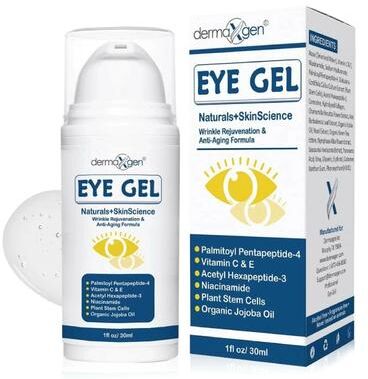
All Categories Goods Anti Aging Eye Gel With Matrixyl , Hyaluronic Acid & Plant Stem Cells Anti Aging Eye Gel With Matrixyl , Hyaluronic Acid & Plant Stem CellsLooking to reduce the appearance of dark circles, wrinkles, and puffiness around your eyes This antiaging eye gel is your goto solution. Powered by Matrixyl 3000, hyaluronic acid, and rejuvenating plant stem cells, this gel works wonders for...51,97 $*Shipping: 0,00 $Secure redirect to the provider
-
Inspire Daily Merch Premium VIP Pillowcases For Customer Luxurious Pillow Covers 2Premium VIP Pillowcases for Unmatched Comfort Introducing our VIP For Customer Pillowcases , designed to elevate your bedding experience. Crafted with care, these pillow covers are made to provide the utmost comfort and luxury. Ideal for those who...99,97 $*Shipping: 0,00 $Secure redirect to the provider
-
Multicon Wholesale Hub Anti Aging Under Eye Cream Gel For Dark Circles & Wrinkles, With Hyaluronic Acid & Plant Stem Cells Anti Aging Under Eye Cream Gel For Dark Circles & Wrinkles, With Hyaluronic Acid & Plant Stem CellsTired eyes and wrinkles can make you feel older than you are. This undereye cream gel is designed to revitalize the delicate skin around your eyes. Packed with hyaluronic acid and nourishing plant stem cells, it combats dark circles, puffiness, and...69,97 $*Shipping: 0,00 $Secure redirect to the provider
-
Inspire Daily Merch Premium VIP Pillowcases For Customer Luxurious Pillow Covers 5Premium VIP Pillowcases for Unmatched Comfort Introducing our VIP For Customer Pillowcases , designed to elevate your bedding experience. Crafted with care, these pillow covers are made to provide the utmost comfort and luxury. Ideal for those who...99,97 $*Shipping: 0,00 $Secure redirect to the provider
-
Why can the switch between haploid sex cells and diploid body cells represent a selective advantage in evolution?
The ability to switch between haploid sex cells and diploid body cells can represent a selective advantage in evolution because it allows for genetic diversity and adaptation. Haploid sex cells, such as sperm and eggs, undergo genetic recombination during meiosis, leading to the creation of new genetic combinations. This genetic diversity can increase the chances of survival and reproduction in changing environments. Additionally, the ability to switch between haploid and diploid states allows for the repair of damaged DNA and the elimination of harmful mutations, contributing to the overall fitness of the organism. **
-
Why are liver cells animal cells?
Liver cells are animal cells because they are part of the tissue and organ system of animals. They are eukaryotic cells, meaning they have a true nucleus and membrane-bound organelles, which are characteristic of animal cells. Additionally, liver cells perform specific functions related to the metabolism and detoxification of substances within the body, which are essential for the survival and functioning of animals. Therefore, liver cells are classified as animal cells due to their structure, function, and role within the animal body. **
-
What are the differences between embryonic stem cells, omnipotent stem cells, adult stem cells, totipotent stem cells, and multipotent stem cells?
Embryonic stem cells are derived from embryos and have the potential to develop into any type of cell in the body. Omnipotent stem cells, also known as pluripotent stem cells, are similar to embryonic stem cells in that they can differentiate into any type of cell, but they are derived from adult tissues. Adult stem cells are found in various tissues and have the ability to differentiate into a limited range of cell types. Totipotent stem cells have the highest potential for differentiation and can develop into any type of cell, as well as into extraembryonic tissues such as the placenta. Multipotent stem cells can differentiate into a limited number of cell types, typically within a specific tissue or organ. **
-
What are egg cells and sperm cells?
Egg cells, also known as ova, are the female reproductive cells produced by the ovaries. They are larger than sperm cells and contain genetic material from the mother. Sperm cells, on the other hand, are the male reproductive cells produced by the testes. They are smaller and more numerous than egg cells, and contain genetic material from the father. When an egg cell is fertilized by a sperm cell, it forms a zygote, which eventually develops into a new organism. **
Similar search terms for Cells
-
Inspire Daily Merch Premium VIP Pillowcases For Customer Luxurious Pillow Covers 8Premium VIP Pillowcases for Unmatched Comfort Introducing our VIP For Customer Pillowcases , designed to elevate your bedding experience. Crafted with care, these pillow covers are made to provide the utmost comfort and luxury. Ideal for those who...99,97 $*Shipping: 0,00 $Secure redirect to the provider
-
Inspire Daily Merch Premium VIP Pillowcases For Customer Luxurious Pillow Covers 3Premium VIP Pillowcases for Unmatched Comfort Introducing our VIP For Customer Pillowcases , designed to elevate your bedding experience. Crafted with care, these pillow covers are made to provide the utmost comfort and luxury. Ideal for those who...99,97 $*Shipping: 0,00 $Secure redirect to the provider
-
Inspire Daily Merch Premium VIP Pillowcases For Customer Luxurious Pillow Covers 7Premium VIP Pillowcases for Unmatched Comfort Introducing our VIP For Customer Pillowcases , designed to elevate your bedding experience. Crafted with care, these pillow covers are made to provide the utmost comfort and luxury. Ideal for those who...99,97 $*Shipping: 0,00 $Secure redirect to the provider
-
Inspire Daily Merch Premium VIP Pillowcases For Customer Luxurious Pillow Covers 1Premium VIP Pillowcases for Unmatched Comfort Introducing our VIP For Customer Pillowcases , designed to elevate your bedding experience. Crafted with care, these pillow covers are made to provide the utmost comfort and luxury. Ideal for those who...99,97 $*Shipping: 0,00 $Secure redirect to the provider
-
Why are the structures in body cells double, but only single in germ cells?
The structures in body cells, such as chromosomes, are double because they contain two sets of genetic information, one from each parent. This allows for genetic diversity and the ability to adapt to changing environments. In contrast, germ cells, which are involved in reproduction, only contain a single set of genetic information. This is to ensure that when germ cells combine during fertilization, the resulting offspring will have the correct number of chromosomes and genetic information. **
-
Why do antibiotics only target bacterial cells?
Antibiotics only target bacterial cells because they are designed to interfere with specific processes that are unique to bacteria. For example, many antibiotics work by disrupting the bacterial cell wall or inhibiting protein synthesis, processes that are not present in human cells. This specificity allows antibiotics to kill or inhibit the growth of bacteria without harming human cells. Additionally, bacteria and human cells have different structures and biochemical pathways, so antibiotics can target these bacterial-specific features without affecting human cells. **
-
How do killer cells recognize infected body cells?
Killer cells, also known as cytotoxic T cells, recognize infected body cells through a process called antigen presentation. Infected cells display fragments of foreign proteins, known as antigens, on their surface using a protein called major histocompatibility complex (MHC) class I. Killer cells have receptors that can recognize these antigens when they are presented on the infected cell's surface. Once the killer cell identifies an infected cell, it releases toxic substances to destroy the infected cell and prevent the spread of the infection. **
-
How do you compare the components of plant cells, virus cells, and animal cells?
Plant cells, virus cells, and animal cells all have different components and structures. Plant cells have a cell wall, chloroplasts, and a large central vacuole, which are not present in animal cells. Virus cells are not considered living cells and are much simpler in structure, consisting of genetic material (DNA or RNA) surrounded by a protein coat. Animal cells have centrioles and lysosomes, which are not found in plant cells. Additionally, animal cells do not have a cell wall like plant cells do. Overall, each type of cell has unique components that contribute to their specific functions and characteristics. **
* All prices are inclusive of VAT and, if applicable, plus shipping costs. The offer information is based on the details provided by the respective shop and is updated through automated processes. Real-time updates do not occur, so deviations can occur in individual cases. ** Note: Parts of this content were created by AI.